Händler
 Wie Ernterückstände in Trockengebieten die Bodenfeuchte halten
Fragen Sie einen Landwirt bei Shaunavon in Saskatchewan oder in den trockensten Gegenden der nördlichen Great Plains. Sie hören immer…
Mehr erfahren →
Die Direktsaat (No-Till) hat den Betrieben in der Prärie viel gebracht: weniger Erosion, mehr gespeicherte Bodenfeuchte, eine stabilere Bodenstruktur. Die meisten Landwirte, die umgestellt haben, wollen nicht zurück. Nach ein oder zwei Jahrzehnten Direktsaat hat sich im Bodenprofil aber leise ein Problem aufgebaut: Die Nährstoffe sammeln sich nahe der Oberfläche. Und in einem trockenen Sommer sind die Wurzeln genau dort nicht.
Phosphor, Schwefel und einige Spurennährstoffe wandern im Boden nur langsam oder fast gar nicht. Bei Direktsaat bleibt Dünger, der auf die Oberfläche kommt, meist auch dort. Organische Substanz, die sich in der obersten Schicht zersetzt, erhöht die Konzentration zusätzlich. Von Saison zu Saison wird die nährstoffreiche Zone flacher.
Das ist kein Problem, solange die oberen Zentimeter feucht sind und die Wurzeln dort aktiv Nährstoffe aufnehmen. Schwierig wird es in Trockenphasen. Trocknet die Oberfläche aus, wachsen die Wurzeln dem Wasser in die Tiefe nach. Dann holt die Kultur ihr Wasser aus 15–20 cm Tiefe, der Phosphor liegt aber bei 5 cm. Die Nährstoffe sind da. Die Wurzeln kommen nur nicht an sie heran.
Raps ist besonders anfällig. Er braucht früh in der Saison viel Phosphor, und ein flaches, trockenes Saatbett im Juli kann die Aufnahme genau im ungünstigsten Moment stark bremsen.
Je länger ein Feld durchgehend in Direktsaat bewirtschaftet wird, desto stärker ist meist die Schichtung. Felder, die jahrelang konventionell bearbeitet und dann auf Direktsaat umgestellt wurden, waren anfangs vielleicht noch etwas durchmischt. Dieser Effekt lässt aber nach. Felder, die nie eine Bodenbearbeitung gesehen haben, sind oft am stärksten geschichtet.
Der Nutzen der Direktsaat für die Bodengesundheit ist real und belegt: mehr gespeicherte Bodenfeuchte, eine bessere Bodenstruktur, weniger Verdichtungsrisiko durch Bodenbearbeitungsgeräte. Nichts davon verschwindet, nur weil die Schichtung ein Problem ist. Die Aufgabe ist, die Schichtung anzugehen, ohne zu zerstören, was über Jahre aufgebaut wurde.
Am direktesten hilft es, den Phosphor dort abzulegen, wo die Wurzeln ihn unabhängig vom Zustand der Oberfläche finden. Legen Sie den Dünger bei der Saat in Saattiefe als Band neben der Reihe (Side-Banding) oder zwischen den Reihen (Mid-Row-Banding) ab. Dann liegen die Nährstoffe in der Zone, in der die Wurzeln sie auch bei ausgetrockneter Oberschicht erreichen. Für Felder, die langfristig in Direktsaat bleiben, ist das zugleich die beständigste Maßnahme.
Hier wird es schwieriger. Eine wendende Bodenbearbeitung würde das Profil durchmischen. Sie macht aber jahrelange Fortschritte bei der Bodenstruktur zunichte und bringt das Erosionsrisiko zurück. Für die meisten Betriebe ist dieser Preis zu hoch.
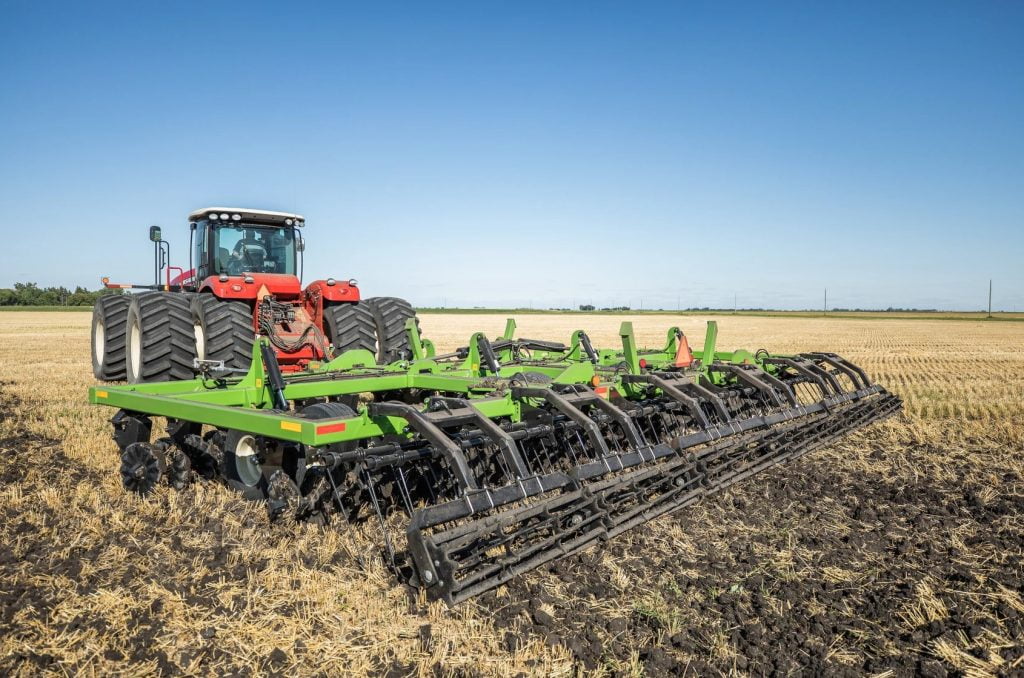
Gezielter ist die Vertikalbearbeitung auf den am stärksten geschichteten Feldern. Sie bearbeitet den Boden, ohne ihn zu wenden. Sie bricht die oberste Schicht auf, zerkleinert die Ernterückstände und mischt einen Teil der nährstoffreichen Oberschicht nach unten. Den Boden stört sie dabei weit weniger als eine konventionelle Bearbeitung. Die Mandako Storm kommt mit großen Mengen an Ernterückständen zurecht, arbeitet flach und eignet sich genau für eine solche selektive Überfahrt. Eine einzige gezielte Überfahrt auf stark betroffenen Feldern kann ein Profil zurücksetzen, dessen Schichtung bereits den Ertrag drückt.
Übliche Bodenproben aus 15 cm Tiefe können die Schichtung völlig übersehen. Wenn Ihre Phosphorwerte gut aussehen, die Kultur in einem trockenen Jahr aber Mangelsymptome zeigt, ziehen Sie getrennte Proben aus 5 cm und aus 15 cm Tiefe. Der Unterschied zwischen beiden Werten zeigt Ihnen, wie stark Ihr Feld tatsächlich geschichtet ist.
Tief wurzelnde Zwischenfrüchte holen Nährstoffe aus tieferen Schichten und bringen sie über den Abbau ihrer Rückstände wieder in Richtung Oberfläche. So verringern sie die Schichtung über mehrere Saisons. Das wirkt langsam, ergänzt aber Ihr Direktsaatsystem, statt gegen es zu arbeiten.
Die Nährstoffschichtung ist ein echter Zielkonflikt langjähriger Direktsaat, aber kein Grund, sie aufzugeben. Wer am besten damit umgeht, legt den Dünger tiefer ab, beprobt gezielter und bearbeitet nur die Felder selektiv, auf denen die Schichtung schon Ertrag kostet. Ziehen Sie diesen Herbst Bodenproben aus getrennten Tiefen, und lassen Sie die Zahlen entscheiden, wo Sie zuerst ansetzen.
Treffen Sie unser Team auf einer der nächsten Veranstaltungen und sehen Sie die neuesten Bodenbearbeitungsgeräte von Mandako aus der Nähe.
Fragen Sie einen Landwirt bei Shaunavon in Saskatchewan oder in den trockensten Gegenden der nördlichen Great Plains. Sie hören immer…
Mehr erfahren →
Nährstoffschichtung (Stratifizierung) bedeutet: Nährstoffe, organische Substanz und biologische Aktivität reichern sich in einer schmalen Schicht nahe der Bodenoberfläche an, während…
Mehr erfahren →
Die Ernte ist durch. Jetzt beginnt die eigentliche Arbeit Getreide zu dreschen ist ein gutes Gefühl. Was Sie in den…
Mehr erfahren →